

What We Do
Location
123 Business Street, Suite 456
New York, NY 10001, USA
Contact us
Location



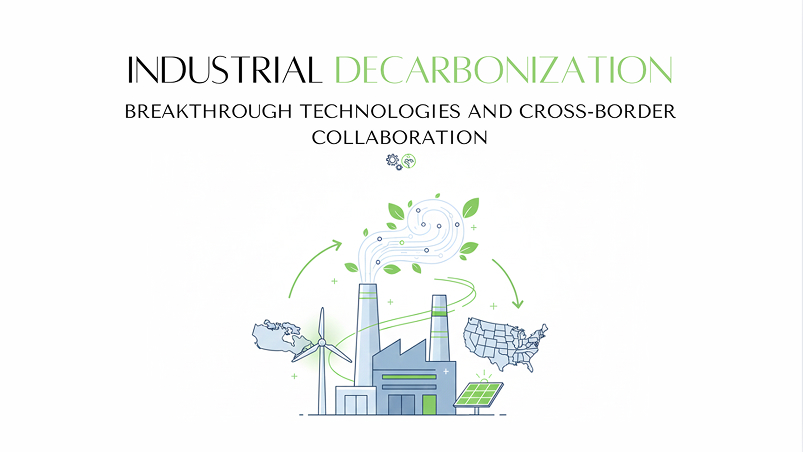


No single technology delivers industrial decarbonization. Progress depends on matching solutions to industrial context, asset life cycles, and regional infrastructure.
Industrial decarbonization is no longer a theoretical climate objective. It is becoming a defining factor for competitiveness, investment, and long-term industrial resilience.
For Canada, this matters more than almost any other advanced economy. Heavy industry, including oil and gas, mining, steel, cement, and chemicals, forms the backbone of national exports, regional employment, and long-lived infrastructure. These same sectors also account for a significant share of Canada’s greenhouse gas emissions, making them central to both climate targets and economic competitiveness.
What is often missing from public discussion is not awareness of the challenge, but clarity on execution. Which technologies are actually being deployed. Where pilots are underway. And how policy, capital, and industrial decision-making interact on the ground. This article focuses on that missing layer. It connects industrial decarbonization technologies to real Canadian market conditions, active projects, and operating constraints.
Industrial decarbonization refers to reducing greenhouse gas emissions from industrial activities while maintaining productivity, reliability, and competitiveness.
Unlike power generation or transport, industrial emissions are deeply embedded in physical and chemical processes. High-temperature heat, feedstock reactions, and material transformation make many emissions difficult to eliminate through electrification alone. As a result, industrial decarbonization is inherently sector-specific and often capital intensive.
In practice, it involves a combination of approaches. Energy efficiency and process optimization are typically the first layer, improving performance and reducing waste. Fuel switching and electrification can reduce emissions where clean electricity is available. Carbon capture, utilization and storage addresses residual emissions that cannot be avoided through other means. Low-carbon fuels such as hydrogen and bioenergy offer alternatives for high-temperature or feedstock-dependent processes. Circular economy and materials innovation reduce emissions embedded in products themselves by changing inputs rather than replacing entire facilities.
No single technology delivers industrial decarbonization on its own. Progress depends on matching solutions to industrial context, asset life cycles, regulatory environments, and regional infrastructure.
Effective decarbonization includes:
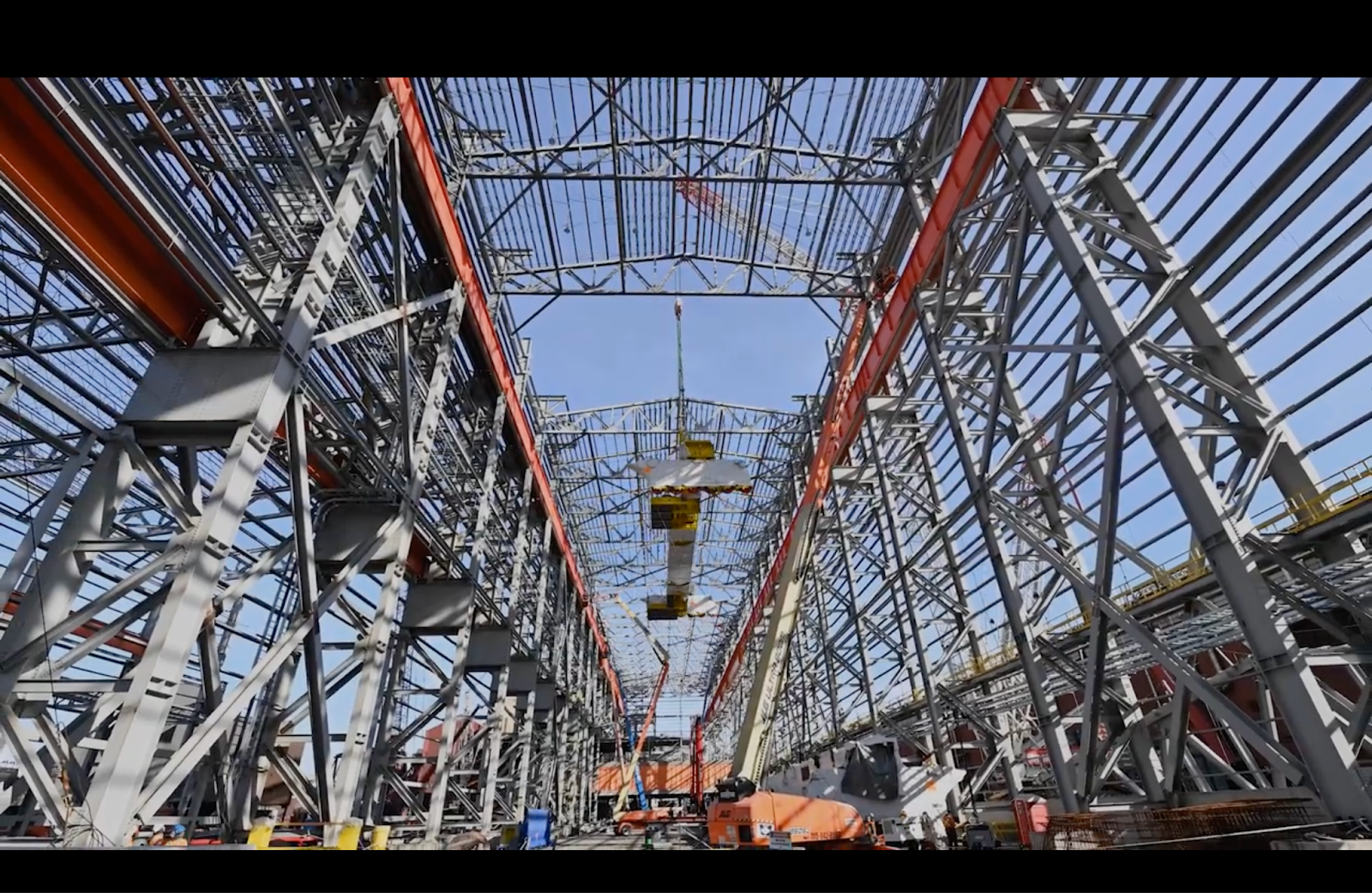
Canada’s industrial emissions profile reflects the structure of its economy.
Federal reporting consistently shows that industry accounts for roughly one quarter to one third of national greenhouse gas emissions, depending on classification and year. Heavy sectors such as steel, cement, chemicals, mining, and oil and gas extraction dominate this share (Environment and Climate Change Canada, National Inventory Report).
At the same time, meaningful change is already underway. For example:
These examples highlight an important reality. Industrial decarbonization in Canada is not hypothetical, but it is uneven, capital intensive, and closely tied to policy alignment and site-specific feasibility.
Despite strong ambition and solid technology foundations, Canada’s industrial decarbonization journey faces persistent barriers:
Decarbonization technologies often require large upfront investment with payback over long time horizons. Many industrial operators prefer incremental upgrades rather than transformational change.
Facilities must navigate federal, provincial, and municipal regulations, particularly around hydrogen, carbon capture, and electrification, often slowing deployment.
While Canada’s climate finance ecosystem is strong, early-stage capital for deep industrial tech (hardware, pilots, integration) remains limited compared with markets like Europe and the U.S.
Advanced systems require skilled technicians, data engineers, and process specialists, a gap in many industrial regions.
Canada’s geography means uneven access to low-carbon electricity, hydrogen hubs, and CO₂ storage infrastructure, affecting where and how technologies can scale.
Breakthrough technologies create value only when they align with real industrial needs and operating conditions. Below are the categories most relevant to Canada’s decarbonization pathways today.
What it does: Reduces emissions by changing the materials and feeds used in industrial processes.
Real-world Canada examples:
These materials innovations help embed emissions reduction into the product itself, a lever that’s often more scalable than heavy machinery replacements.
Captures CO₂ from industrial processes and either stores it underground or uses it in materials and fuels.
Canada on the frontlines:
These illustrate how Canada’s geology and industrial mix, particularly in Alberta and Saskatchewan, are shaping large CCUS deployment pathways.
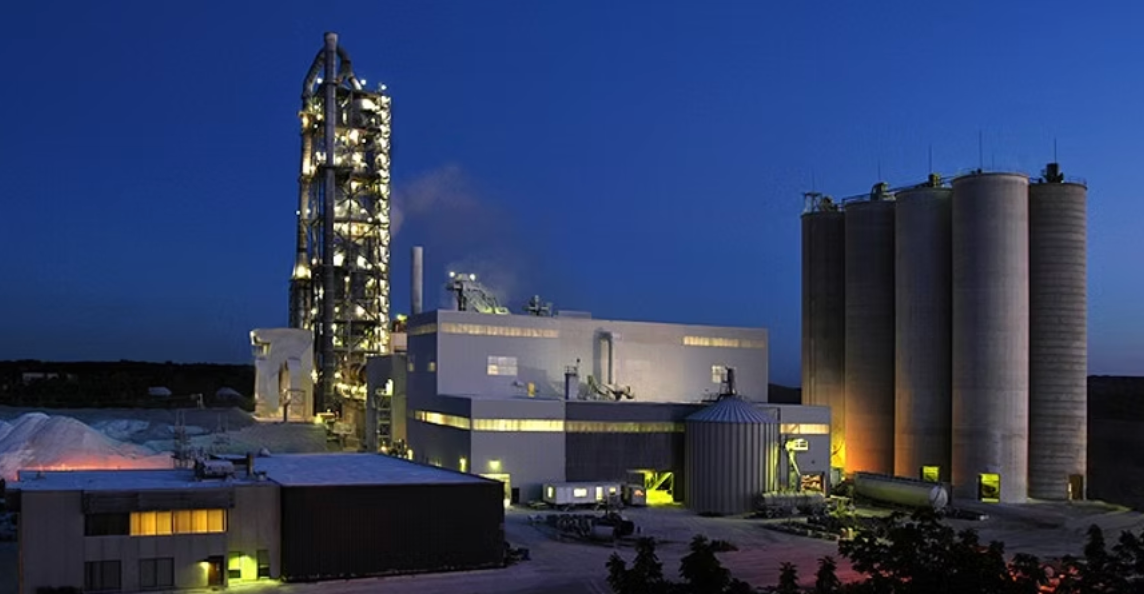
Replaces fossil fuel energy with low-carbon electricity and optimizes energy use.
Real Canadian deployments include:
Electrification opportunities are strongest in provinces with abundant clean power (e.g., Quebec, Manitoba, BC)
Provides low-carbon fuels for hard-to-electrify processes.
Canadian hydrogen progress includes:
Canada’s Hydrogen Strategy also forecasts that low-carbon hydrogen could provide as much as up to ~18% of energy use by 2050 in hard-to-decarbonise sectors.
Uses sensors, AI, and analytics to reduce energy use and inefficiencies, often with a much lower cost of entry.
While specific company examples here are emerging rather than fully scaled, federal support programs explicitly fund digital and optimization solutions, especially when paired with energy efficiency objectives.
Scaling industrial decarbonization depends on alignment between technology readiness, policy frameworks, and industrial decision-making.
Canada offers multiple funding mechanisms, including federal innovation programs, provincial decarbonization funds, and tax incentives linked to emissions reductions. The industrial carbon pricing system plays a central role by reinvesting compliance proceeds into on-site emissions reduction projects.
However, accessing these programs typically requires technical validation, committed industrial partners, and clear deployment plans. Public-private collaboration is essential, with governments, technology providers, and industry sharing risk during early deployment stages.
Ecosystem builders help bridge gaps by supporting regulatory navigation, partnership formation, and access to funding pathways.
Industrial decarbonization in Canada is not a single technology shift or policy decision. It is a systems transition shaped by infrastructure, capital cycles, regulatory environments, and operational realities.
Canada has the industrial base, natural resources, and technical expertise to play a leading role. The determining factor will be the ability to move beyond pilots and announcements toward scalable, repeatable deployment.
Bridging breakthrough technologies with industrial execution is where meaningful emissions reductions will be achieved, while maintaining competitiveness in a low-carbon economy.
A: CCUS (TRL 9, operational at 4 facilities), electrolytic hydrogen (TRL 8, EverWind Phase 1), and electrolytic reduction for aluminum (TRL 7, Rio Tinto pilot). CCUS delivers 90%+ capture rates today.
A: Cross-border CO2 pipelines and shared CCUS hubs reduce costs 30-40%. The Canada-US Clean Energy Dialogue facilitates joint permitting and $1B+ in matched funding.
A: Alberta (CCUS hubs), Québec (aluminum smelting innovation), and Atlantic Canada (hydrogen export). Alberta hosts 80% of Canada's operational CCUS capacity.
A: Revenue certainty via offtake agreements, project finance (50%+ debt), and government revenue supports. ClimateDoor bridges this gap through embedded commercialization teams.


